

The quickest way to find your hair porosity is the strand test: take a single clean, dry, product-free strand and slide your fingers up it from tip to root. If it feels smooth, you likely have low porosity; a little texture means medium; rough or bumpy means high porosity. Porosity simply describes how easily your hair absorbs and holds moisture. And once you know yours, choosing the right curl products becomes much easier.


What is hair porosity?
Hair porosity is your hair's ability to absorb and retain moisture. It comes down to how the outer layer of the hair (the cuticle) lies. When the cuticle is tightly sealed, water struggles to get in (low porosity). When it's raised or has gaps, water rushes in and escapes just as quickly (high porosity). Porosity matters for curly and coily hair because dryness is the number-one cause of frizz, breakage and lost definition, and the right fix depends on which type you have.
How do you test your hair porosity at home?
You can find your porosity in a few minutes using the strand test, the water-droplet test or the float test. Always start with freshly washed hair that has no product, oil or buildup on it as leftover product skews every result.
1. The strand (slip-and-slide) test
Run your fingers up a single strand from tip to root. If it feels smooth and your cuticle is tightly sealed then your curls are most likely low porosity. A little resistance suggests medium porosity. If it feels rough, dry or catches on your fingers or the cuticle is raised, then it's probably high porosity.
2. The water-droplet test
Drop a little water onto a small section of clean, dry hair. If it beads up and sits on top, that points to low porosity. If it soaks straight in and the area feels dry again quickly, that's high porosity. Somewhere in between is medium.
3. The float test (with a caveat)
Place a clean, dry strand in a glass of room-temperature water. If it's still floating after a few minutes it may be low porosity and if it sinks, then high. Treat this one loosely though because surface tension and any leftover residue can throw it off, so the strand and water-droplet tests are more reliable.
What does low porosity hair need?
Low porosity hair repels water and is prone to product sitting on top and building up, so it loves lightweight, water-based formulas, humectants like glycerin, and an occasional clarifying wash. A little warmth helps too. Applying conditioner to damp, warm hair (in the shower or under a cap) opens the cuticle just enough to let moisture in.
- Look for: lightweight leave-ins, water-based gels and creams, humectants (glycerin, honey, aloe), and the occasional clarifying cleanse.
- Go easy on: heavy butters, thick oils and lots of protein, which tend to sit on the surface and weigh curls down.
Curldrop picks: As I Am Leave-In Conditioner for light daily moisture, The Doux Big Poppe Defining Gel for water-based hold, &honey Melty Moist Repair Oil as a lightweight finishing oil, and Camille Rose Clean Rinse Clarifying Shampoo to reset buildup. The Shiseido Tsubaki Repair Mask is formulated with low-porosity hair in mind.
What does medium porosity hair need?
Medium (or "normal") porosity hair absorbs and holds moisture well, and is the easiest to work with. Most curl products perform nicely, and you'll only need a light protein treatment every few weeks to keep things balanced. The goal here is simple maintenance: stay hydrated and defined without over-thinking it.
- Look for: balanced curl creams and gels, regular conditioning, and light protein occasionally.
- Go easy on: over-clarifying or heavy protein, which can tip the balance.
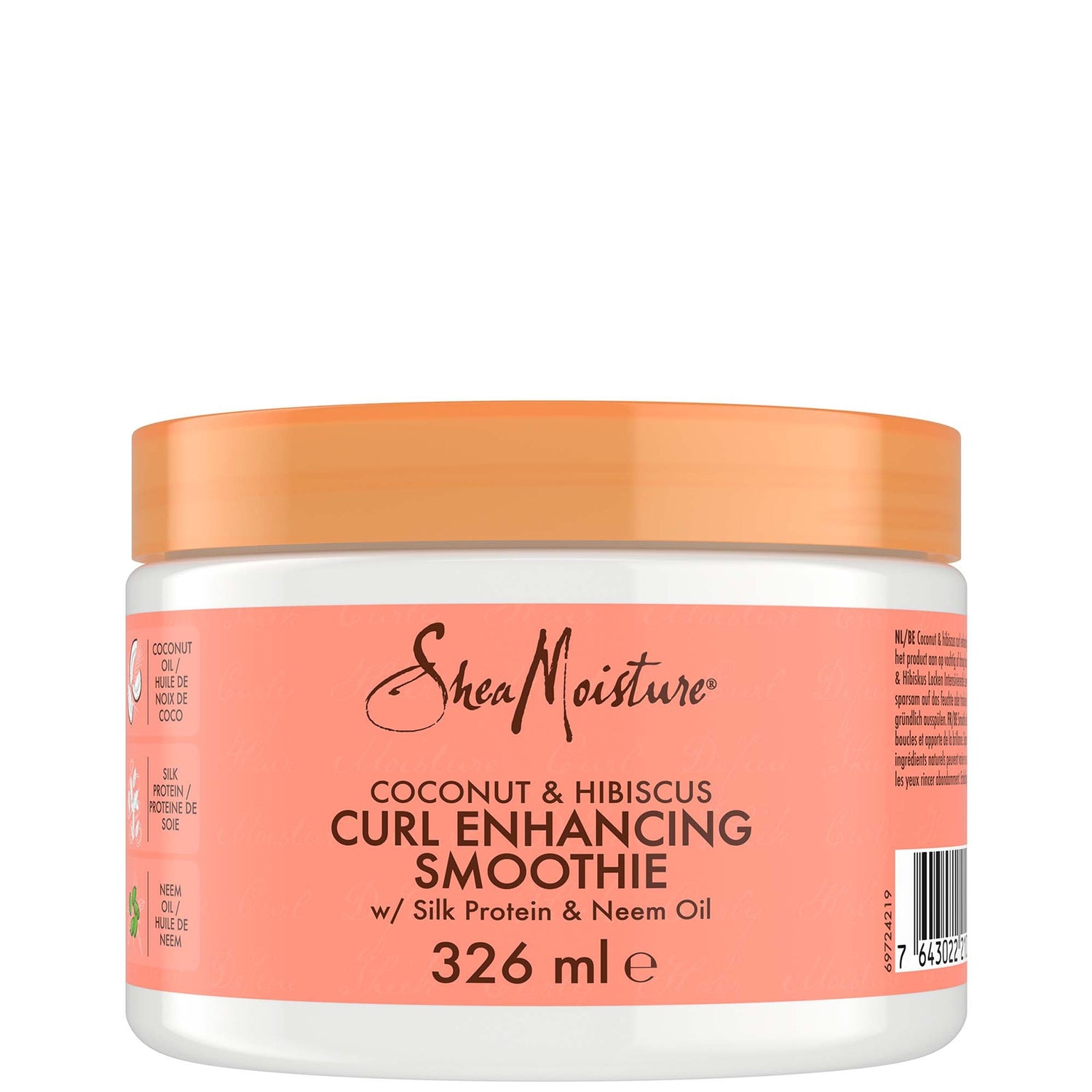
Curldrop picks: Cantu Coconut Curling Cream, SheaMoisture Coconut & Hibiscus Curl Defining Gel, Creme of Nature Argan Oil Strength & Shine Leave-In, and As I Am Coconut CoWash for gentle mid-week cleansing.
What does high porosity hair need?
High porosity hair drinks up moisture but loses it fast, so it needs richer creams and butters, protein to help fill the gaps in the cuticle, and a sealing step (an oil or butter layered over a leave-in, often called the LOC or LCO method) to lock it all in. It's common in coily, colour-treated or heat-styled hair.
- Look for: thick creams and custards, shea butter and castor oil, protein and strengthening treatments, and a sealing oil as your final step.
- Go easy on: skipping the seal! Without it, moisture escapes as fast as it went in.
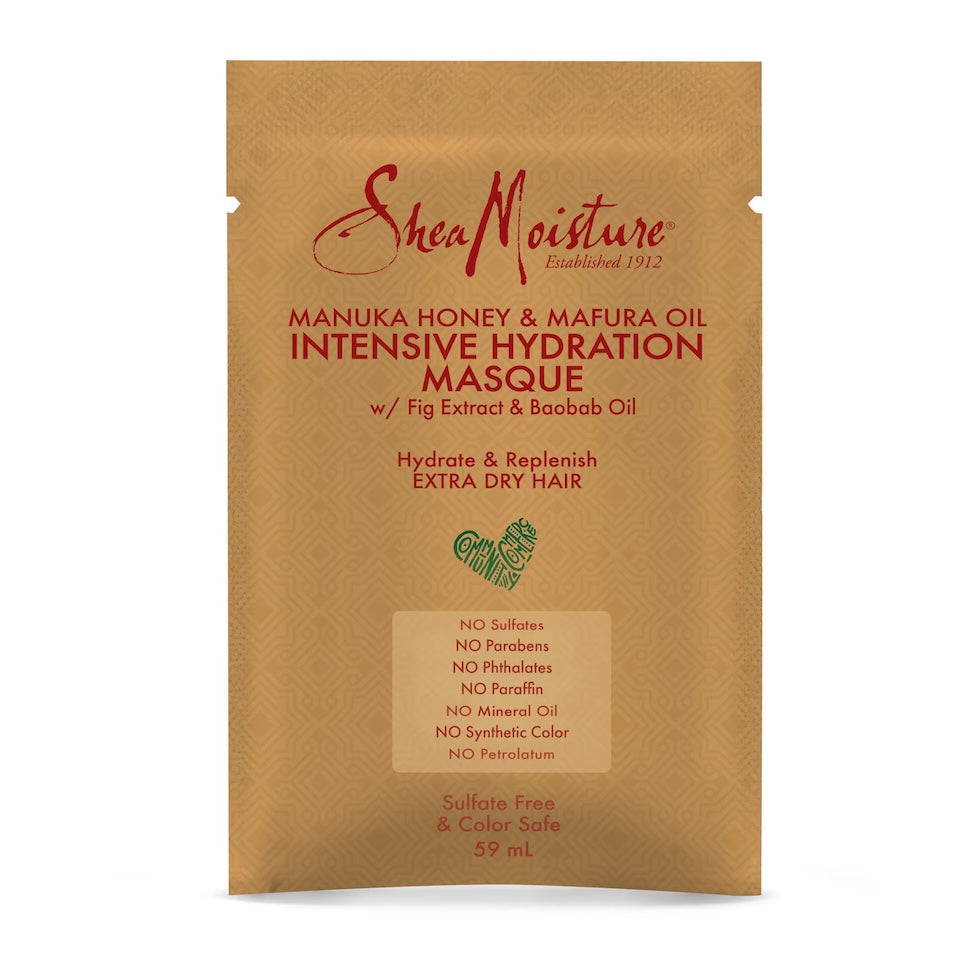
Curldrop picks: the SheaMoisture Manuka Honey & Mafura Oil range for deep moisture, Camille Rose Moroccan Pear Conditioning Custard for rich definition, SheaMoisture Jamaican Black Castor Oil Strengthen & Restore Conditioner for strength, Palmer's Coconut Oil Leave-In to soften, and As I Am Jamaican Black Castor Oil Water to refresh between washes. The Shiseido Fino Premium Touch Mask is ideal for high-porosity hair.
Hair porosity at a glance
| Porosity | How water behaves | Look for | Avoid | Curldrop picks |
|---|---|---|---|---|
| Low | Beads on top, slow to absorb | Lightweight leave-ins, water-based gels, humectants, clarifying wash | Heavy butters, thick oils, lots of protein | As I Am Leave-In, The Doux Big Poppa Defining Gel, &honey oil |
| Medium | Absorbs and holds well | Balanced creams & gels, light protein occasionally | Over-clarifying, heavy protein | Cantu Coconut Curling Cream, SheaMoisture C&H Gel |
| High | Soaks in fast, dries out fast | Rich creams & butters, protein, sealing oils (LOC/LCO) | Skipping the sealing step | SheaMoisture Manuka Honey range, Camille Rose Moroccan Pear Custard |
The Curldrop Standard
Whatever your porosity, every product we suggest has passed the Curldrop Standard: checked ingredient by ingredient and tested by real people with curly and coily hair before it earns a place in the shop. Every product. Every ingredient. Checked, so you don't have to.
Frequently Asked Questions
Is hair porosity permanent?
Not entirely. Genetics set your baseline, but heat, colour, bleach and chemical treatments raise the cuticle and increase porosity over time. Gentle, ingredient-conscious care helps keep it healthy.
Can I have more than one porosity?
Yes! It's very common to have higher porosity at the ends (older, more damaged hair) and lower porosity at the roots. Treat your hair based on where it needs the most help.
Does porosity change how often I should wash?
It can. Low porosity hair is prone to buildup, so a regular clarifying wash helps; high porosity hair often prefers gentler, less frequent cleansing to hold on to moisture.
Not sure where to start? Browse our moisture & dryness edit or the full Curldrop shop to start building your new curl routine.