

If you've ever stood in the hair aisle feeling completely overwhelmed by the sheer number of styling products, you're not alone. Creams, gels, mousses, oils, butters, sprays - what do they all do? Which ones do you actually need? And how do you use them without turning your curls into a crunchy, greasy, or weighed-down mess?
Today, we're breaking down the four main categories of styling products for curly hair: creams, gels, mousses, and oils. By the end of this guide, you'll know exactly what each one does, when to use it, and how to layer them for your best curls ever.
And the best part is that you can shop all these styling products right here at Curldrop.

Understanding the Basics: What Are Styling Products Actually Doing?
Before we get into specific product types, let's talk about what styling products actually do for your curls.

The three main jobs of styling products are:
- Moisture & Hydration: Keeping your curls soft and preventing dryness
- Definition: Keeping your curls together and enhancing your natural pattern
- Hold: Keeping your curls in their defined state and fighting frizz
Different products excel at different jobs. The key to great curls is understanding which product does what, so you can choose the right combination for your hair's needs. Your curls often need multiple products working together: a base layer for moisture, a middle layer for definition, and sometimes a final layer to seal it all in.
We're going to break down each product type here.
STYLING CREAMS: The Moisturising Multitasker
What They Are:
Styling creams (sometimes called curl creams or smoothies) are thick, lotion-like products that sit somewhere between a leave-in conditioner and a gel. They're typically the heaviest styling product in terms of moisture content.
Texture: Thick and creamy, like a rich body lotion Consistency: Smooth and easy to spread Finish: Soft, touchable curls with natural movement
What They Do:
Primary function: Moisture and light to medium definition
Creams are your go-to when your curls need hydration along with styling. They contain moisturising ingredients like shea butter, oils, and glycerin that nourish your hair while also providing some hold and definition.
The hold from creams is typically lighter than gels - you get beautifully defined curls, but they're soft and bouncy rather than locked in place. This makes creams perfect for that "I woke up like this" natural curl look.
When to Use Creams:
Best for:
- Dry or dehydrated curls that need extra moisture
- Creating soft, natural-looking curls with movement
- Everyday styling when you don't need maximum hold
- Use as a standalone styler or as a base layer under gel
- Winter months when curls need more moisture
Not ideal for:
- Very fine hair that gets weighed down easily (use sparingly)
- High-humidity days when you need serious frizz control
- When you want maximum definition that lasts multiple days
How to Use Styling Creams:
Application method:
- Start with soaking wet hair - This is crucial. The wetter your hair, the better the cream distributes and the softer the final result. If your hair starts drying while you're applying, spritz it with water.
- Section your hair - Work in 4-6 sections depending on thickness. This ensures even distribution.
- Use the "praying hands" method - Take a generous amount of cream (more than you think you need), rub it between your palms, then sandwich sections of your hair between your hands and smooth the product down from roots to ends.
- Rake and scrunch - For extra definition, rake your fingers through each section to separate curl clumps, then scrunch upward to encourage curl formation.
- Air dry or diffuse - Creams work beautifully with both methods. Diffusing on low heat will speed up drying while maintaining softness.
Don't be afraid to use more cream than you would gel - the moisture is good for your curls!
Pro Tips:
- Layer it: Use cream as your base layer, then apply gel on top for moisture + strong hold
- Mix it: Combine cream with a bit of gel in your palm for a custom hold level
- Refresh with it: On day 2-3, dampen your hair and add a small amount of cream to revive curls
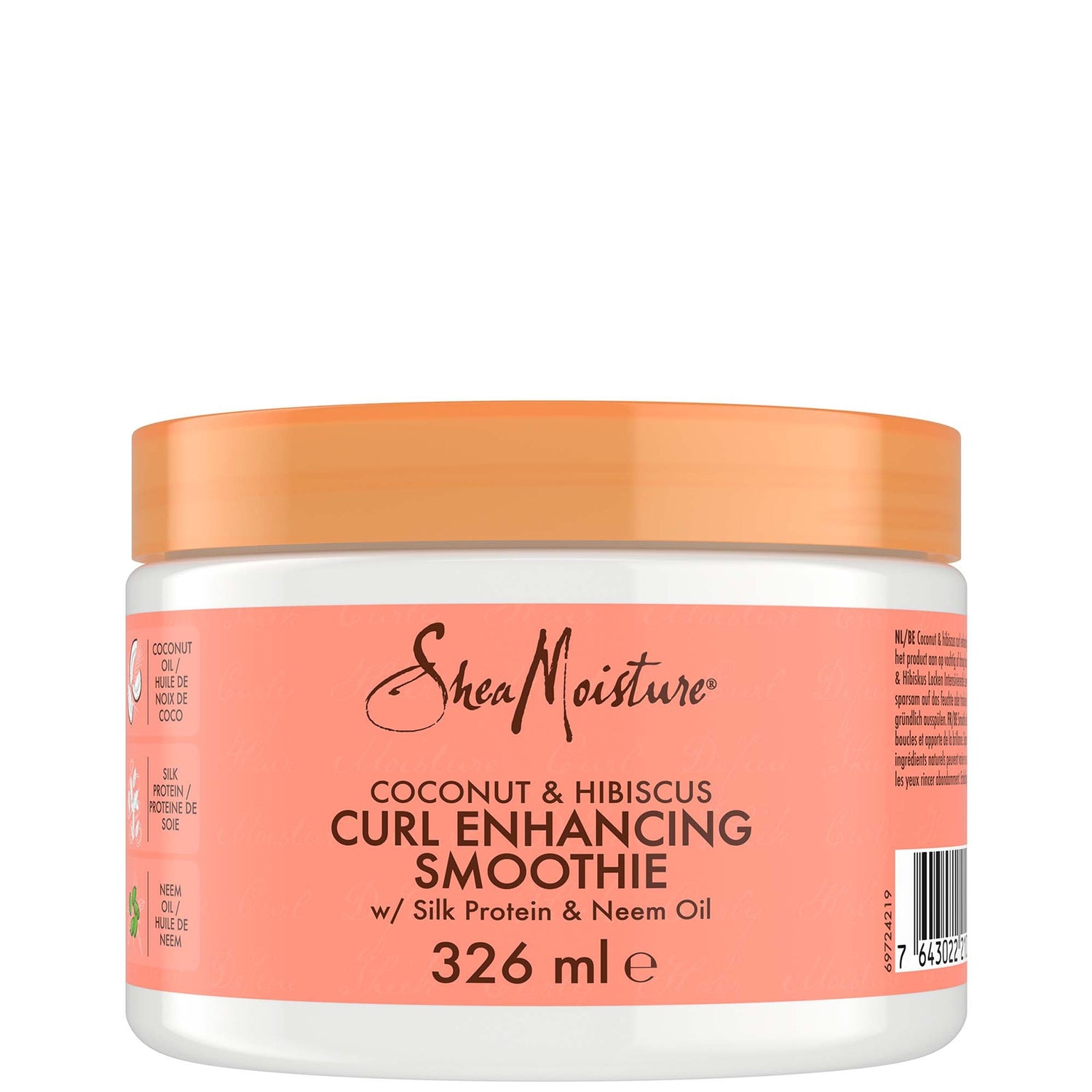
Popular Examples: SheaMoisture Curl Enhancing Smoothie, Cantu Curl Activator Cream, Aunt Jackie's Curl La La
GELS: The Definition & Hold Champion
What They Are:
Gels are water-based styling products with a thick, jelly-like consistency that provide the strongest hold of all styling products. They've come a long way from the crunchy, sticky gels of the past now that modern curl gels give you hold without the harsh feel.
Texture: Thick and gel-like (obviously!), clear or slightly cloudy Consistency: Can range from loose and slippery to very thick Finish: Defined, long-lasting curls with a "cast" that you scrunch out
What They Do:
Primary function: Maximum definition and strong hold
Gels work by forming a cast around your curl clumps as they dry. This cast holds your curls in their defined state and protects against humidity and frizz. Once your hair is completely dry, you "scrunch out the crunch" (SOTC) to break the cast and reveal soft, defined, bouncy curls.
The result is curls that hold their pattern beautifully for days, with minimal frizz and maximum definition.
When to Use Gels:
Best for:
- When you want maximum curl definition
- Multi-day styles (curls that last 3-5 days)
- Humid weather or frizz-prone hair
- Wash-and-go styles
- Special occasions when you want your curls to look their absolute best
- All curl types (just adjust the amount used)
Not ideal for:
- When you want a super-soft, natural look with lots of movement
- If you don't have time to fully dry your hair (gel needs to be 100% dry before SOTC)
How to Use Gels:
Application method:
- Apply to wet hair - This is even more important with gel than with cream. The wetter your hair, the easier the gel spreads and the softer the final result.
- Section your hair - Work in sections for even application.
- Application technique options:
- Praying hands: Smooth gel down each section for sleek, defined clumps
- Raking: Rake fingers through for more separated, defined curls
- Shingling: Apply gel to individual small sections for maximum definition
- Brush styling: Use a brush to create uniform curl clumps
- Scrunch upward - After applying, scrunch your hair upward to encourage curl formation and ensure gel is evenly distributed.
- Do NOT touch while drying - This is crucial. Leave your hair completely alone until it's 100% dry. Touching it while wet disrupts the cast and causes frizz.
- Scrunch out the crunch (SOTC) - Once hair is bone-dry, scrunch it with your hands (or with a bit of oil on your palms) to break the gel cast. Your curls will suddenly become soft, bouncy, and touchable while maintaining their definition.
How much to use:
Start with a small scoop and apply to your curls section by section.
Pro Tips:
- The wetter, the better: We cannot emphasise this enough! Gel on damp (not soaking) hair = crunch. Gel on wet hair = softer defined curls.
- Use less than you think: Start with a smaller amount and add more if needed
- Layer it: Apply cream first for moisture, then gel for hold and definition
- Oil your hands for SOTC: A tiny bit of oil on your hands while scrunching out the crunch adds extra shine and softness
Popular Examples: The Doux Big Poppa Defining Gel, Eco Styler Gel, SheaMoisture Coconut & Hibiscus Curl Gel
MOUSSES (FOAMS): The Lightweight Volume Booster
What They Are:
Mousses, also called foams, are airy, whipped styling products that come out of the can or pump in a foam consistency. They're the lightest styling product in terms of weight and feel.
Texture: Light, airy foam that feels almost weightless Consistency: Whipped and fluffy when dispensed Finish: Voluminous, bouncy curls with light to medium hold
What They Do:
Primary function: Volume and lightweight definition
Mousses are brilliant for adding volume at the roots and bounce throughout your curls without any heaviness. They provide light to medium hold while keeping your hair feeling soft and full of movement. The foam format means they distribute incredibly evenly, coating each strand without weighing it down.
If creams are like a rich moisturizer and gels are like a setting spray, mousses are like a volumizing primer.
When to Use Mousses:
Best for:
- Fine or thin hair that gets weighed down by creams
- When you want maximum volume and lift
- Loose curl patterns (2C-3B) that need definition without weight
- Hot, humid weather (lighter than creams, won't melt)
- Second or third-day refreshes to add volume back
- When you want your curls to feel light and bouncy
Not ideal for:
- Very dry hair (mousses alone don't provide enough moisture)
- When you need maximum hold and definition (use gel instead)
- Very thick, coarse hair that needs heavy moisture (use as an addition to cream, not instead of it)
How to Use Mousses:
Application method:
- Apply to damp (not dripping) hair - Unlike gel and cream, mousse works best on hair that's damp but not soaking wet. Squeeze out excess water after washing.
- Dispense foam into your palm - Start with a golf ball-sized amount (it looks like a lot but will distribute thinly).
- Apply in sections - Work through your hair in sections, using praying hands or raking through.
- Scrunch upward - Scrunch sections upward toward your scalp to encourage volume and curl formation.
- Focus on roots for volume - If you want extra lift, apply a bit of mousse directly to your roots.
- Air dry or diffuse - Mousse dries quickly because it's so lightweight. Diffusing on low heat adds even more volume.
How much to use:
For all hair types, we recommend starting with a small handful and building up to lightly cover all of your hair.
Mousse expands and looks like a lot, but it distributes thinly - don't be afraid to use what seems like a generous amount!
Pro Tips:
- Layer it: Use mousse over a leave-in for the best of both worlds - moisture plus volume
- Root focus: Apply extra mousse at roots and scrunch upward for maximum lift
- Refresh hero: Mousse is perfect for day 2-3 refreshes - dampen hair, add mousse, scrunch
- Mix it: Combine mousse and gel in your palm for volume plus hold
Popular Examples: The Doux Crazy Sexy Curl Honey Setting Foam, Cantu Wave Whip Curling Mousse, Creme of Nature Argan Oil Foaming Mousse
OILS: The Finishing Touch & Moisture Sealer
What They Are:
Hair oils are exactly what they sound like - liquid oils that you apply to your hair. They can be single oils (like argan oil, jojoba oil) or blends of multiple oils with added ingredients.
Texture: Liquid, smooth, can range from very light to thick Consistency: Slippery and smooth Finish: Glossy, shiny hair with sealed-in moisture
What They Do:
Primary function: Sealing moisture and adding shine
Oils work by creating a barrier on the hair shaft that locks in moisture and prevents water from escaping. They also smooth down the hair cuticle, which reduces frizz and adds incredible shine.
Think of oils as the final seal on your styling routine - they lock in everything you've already applied and give your curls that healthy, glossy finish.
When to Use Oils:
Best for:
- Sealing in moisture after applying water-based products
- Adding shine to dull-looking curls
- Taming frizz and flyaways
- Protecting hair ends from damage
- Pre-wash treatments to prevent moisture loss during washing
- Refreshing curls on day 2-3
- All curl types (just adjust the amount and type of oil)
Not ideal for:
- As your only styling product (provides no hold)
- Fine hair that gets greasy easily (use very sparingly)
- When you want volume (oil can weigh hair down if overused)
How to Use Oils:
As a sealer (most common use):
- Apply after your styling products - Once you've applied your leave-in, cream, and/or gel, add oil as the final step.
- Use 2-6 drops - Seriously, a little goes a long way. Start with 2-3 drops for fine hair, up to 6 for very thick, long hair.
- Rub between palms - Warm the oil by rubbing it between your hands until your palms are coated in a thin layer.
- Smooth over the surface - Gently smooth your oiled hands over the outside of your curls. Don't rake through - just lightly glide over the surface.
- Focus on ends - Pay extra attention to your ends, which are the oldest and driest part of your hair.
As a pre-wash treatment:
Apply to dry hair before washing - Section your hair and apply oil generously from mid-lengths to ends.
Leave on 30 minutes to overnight - The longer it sits, the more protective benefit.
Shampoo as normal - The oil creates a barrier that prevents your hair from absorbing too much water during washing, reducing hygral fatigue (damage from swelling and shrinking).
For scalp health:
- Apply directly to scalp - Some oils (like rosemary mint oil) are specifically for scalp application.
- Massage for 2-3 minutes - This stimulates blood flow and distributes the oil.
- Leave on or wash out - Depending on the oil and your scalp type.
How much to use at a time:
- Fine hair: 2-3 drops
- Medium hair: 3-5 drops
- Thick/long hair: 5-8 drops
You can always add more, but you can't take it away - start small!
Types of Oils for Different Needs:
Lightweight oils (best for fine hair or sealing):
- Argan oil
- Jojoba oil
- Grapeseed oil
- &honey Melty Moist Repair Oil
Medium weight oils (versatile for most hair types):
- Sweet almond oil
- Avocado oil
- Olive oil
Heavy oils (best for very dry, thick, coarse hair):
- Castor oil
- Coconut oil (can be protein-like for some hair)
- Shea oil
Pro Tips:
- Less is more: It's much easier to add more oil than to deal with greasy hair
- Avoid roots: Unless you have a very dry scalp, keep oil away from your roots to prevent greasiness
- Oil + gel = magic: A tiny bit of oil on your hands while scrunching out the crunch gives the best results
- Not all oils are equal: Choose based on your hair's needs and how easily it gets weighed down
Popular Examples: Mielle Rosemary Mint Oil, &honey Melty Moist Repair Oil, Jamaican Black Castor Oil, OGX Argan Oil
How to Layer Products: The Perfect Combination
Now that you understand each product type, let's talk about how to combine them. This is where the magic happens!
The LOC Method (Liquid, Oil, Cream)
Best for: Very dry hair that struggles to retain moisture
- L - Liquid: Leave-in conditioner or water
- O - Oil: Seals the liquid into your hair
- C - Cream: Adds definition and extra moisture
The LCO Method (Liquid, Cream, Oil)
Best for: Most curl types, especially medium porosity hair
- L - Liquid: Leave-in conditioner or water
- C - Cream: Styling cream for definition
- O - Oil: Seals everything in
The LCGO Method (Liquid, Cream, Gel, Oil)
Best for: Maximum definition and moisture
- L - Liquid: Leave-in conditioner
- C - Cream: Styling cream for moisture and definition
- G - Gel: Strong hold and frizz control
- O - Oil: Final seal for shine
The Simple Method (For beginners or fine hair)
Best for: Fine hair or those who want minimal products
- Liquid: Leave-in conditioner
- One styler: Choose either cream, gel, or mousse based on your needs
- Optional oil: Just a tiny bit for shine if desired
Choosing the Right Products for Your Hair Type
Fine, Easily-Weighed-Down Curls (2C-3A):
Your challenges: Products make hair limp and greasy Your solutions:
- Primary styler: Mousse or lightweight gel
- Skip or reduce: Heavy creams
- Oil: Use sparingly, only 1-2 drops, focus on ends only
- Best routine: Leave-in + mousse or leave-in + lightweight gel
Medium Density Curls (3A-3C):
Your challenges: Balance between moisture and volume Your solutions:
- Primary stylers: Cream alone or cream + gel combo
- Mousse: Great for volume days
- Oil: 3-5 drops for sealing
- Best routine: Leave-in + cream + gel (LCGO method)
Thick, Coarse Curls (3C-4C):
Your challenges: Dryness, shrinkage, needing moisture Your solutions:
- Primary stylers: Rich creams, heavy gels
- Mousse: Can use but often need cream too
- Oil: Don't be shy - 5-8 drops
- Best routine: Leave-in + cream + gel + oil (full LCGO)
Fine But Dense Hair:
Your challenges: Lots of hair but each strand is fine Your solutions:
- Use lightweight versions of everything
- Apply in sections thoroughly
- Consider mousse for lift
- Best routine: Leave-in + mousse or lightweight gel
Common Mistakes to Avoid
1. Using Products on Dry or Damp Hair Instead of Wet
The fix: Apply styling products to soaking wet hair (especially gel and cream). The water helps distribute product evenly and prevents crunchiness.
2. Using Too Much Oil
The fix: Start with a small handful of drops for your whole head. You can always add more, but greasy hair requires rewashing.
3. Not Scrunching Out the Crunch
The fix: Let gel dry 100%, then scrunch vigorously. That crunchy cast is SUPPOSED to be there - breaking it reveals soft, defined curls.
4. Applying Products in the Wrong Order
The fix: Always go from thinnest to thickest consistency: water → leave-in → cream → gel → oil. This ensures each layer can penetrate properly.
5. Using the Wrong Product for Your Hair Type
The fix: Fine hair? Use lightweight products. Thick, coarse hair? Don't be afraid of heavy creams and oils. Match the product weight to your hair's needs.
6. Touching Hair While It Dries
The fix: Hands off! Let your hair dry completely before touching it. Every touch adds frizz.
7. Not Giving Products Time to Work
The fix: Some products need 2-3 uses before you see full results. Your hair needs to adjust.
Building Your Product Collection: What Do You Actually Need?
You don't need every product category to have great curls. Here's a realistic approach we've outlined:
The Minimalist (3 products):
- Leave-in conditioner (moisture base)
- One styler (choose cream, gel, or mousse based on your needs)
- Optional oil (for shine and sealing)
The Advanced Routine (4-5 products):
- Leave-in conditioner
- Styling cream (moisture and light definition)
- Gel (hold and definition)
- Oil (sealing and shine)
- Optional mousse (for volume days)
Start with the minimalist approach. Add products as you identify specific needs your current routine isn't addressing.
It's All About Finding What Works for You
Remember, what works great for someone else might not work for you, and that's completely normal. Your hair is unique because of porosity, density, curl pattern, and individual preferences that affect what products will give you the best results.
The keys to success:
- Understand what each product type does (you've got that now!)
- Match products to your hair's needs (moisture? volume? hold?)
- Apply products correctly (wet hair, proper techniques)
- Be patient (finding your perfect routine takes experimentation)
- Don't be afraid to mix and match (cream from one brand, gel from another - totally fine!)
- Styling products aren't about having the most or the most expensive - they're about having the RIGHT ones for your specific curls and using them correctly.