


Whether you have curly hair yourself or you're navigating your child's beautiful curls for the first time, caring for kids' curly hair can feel overwhelming. We get it: the tears during detangling sessions, the uncertainty about which products to use. You're not alone, and we're here to help!
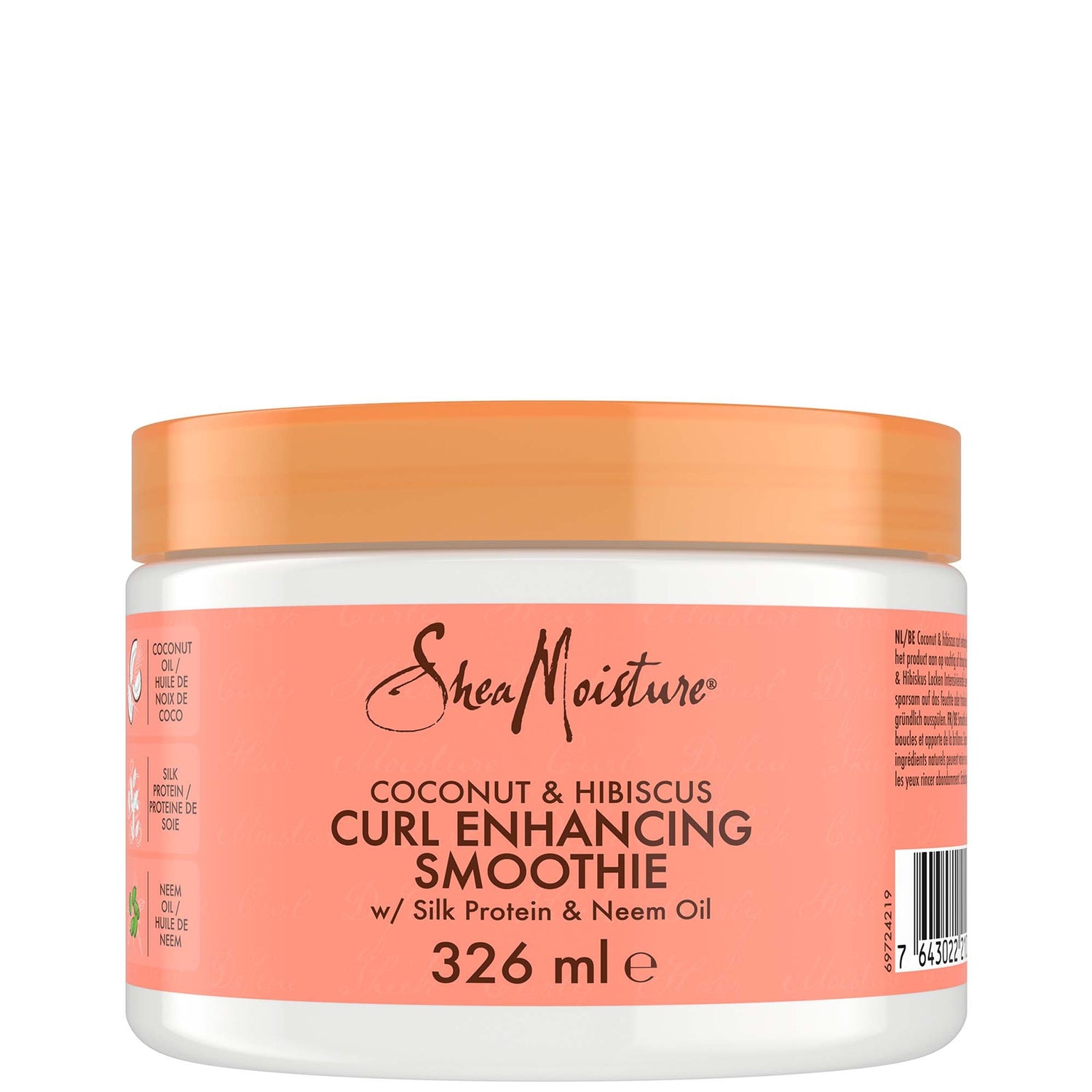
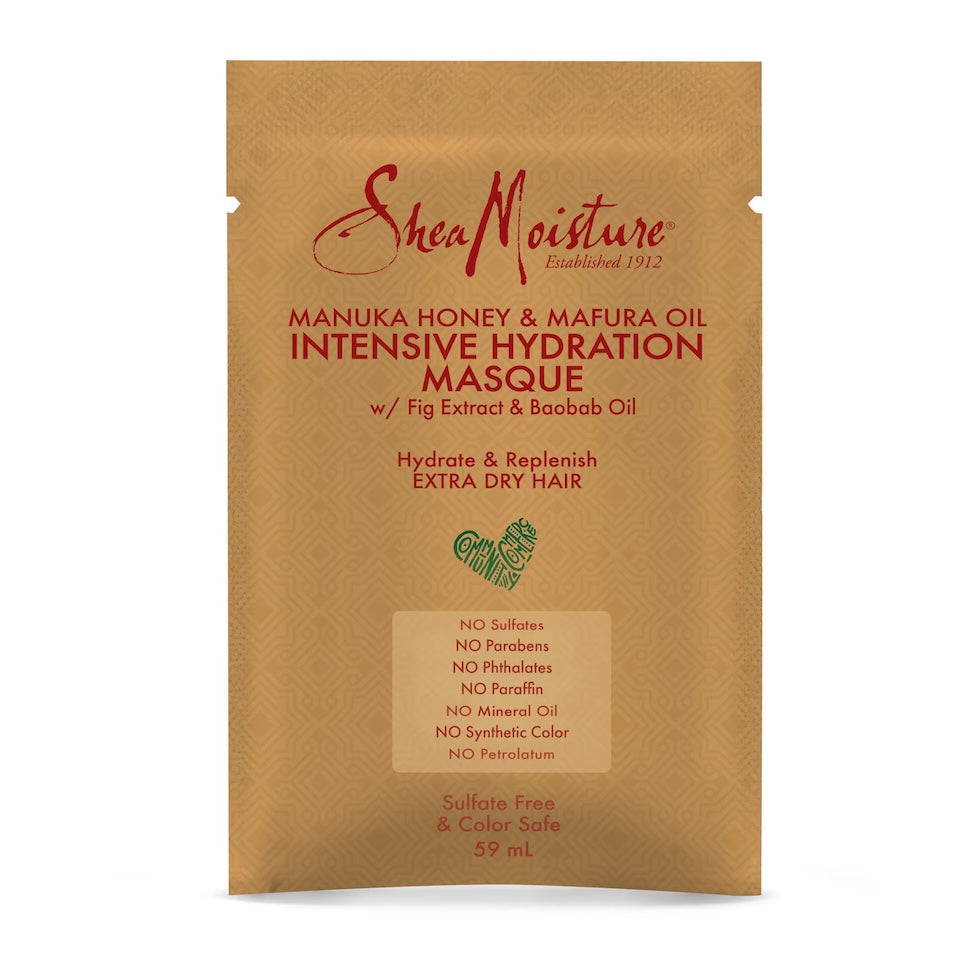
Caring for children's curly and afro-textured hair requires patience, the right techniques, and a gentle approach that makes hair time something to look forward to rather than dread. Browse our kids' curly hair collection for everything you need to create the ideal hair routine for your child's curls.
To start, let's break it down into simple, manageable steps you can follow.
Understanding Your Child's Curls First
Before we dive into the routine, it's good to understand what makes curly and afro-textured hair unique (Type 3A-4C):
- It can naturally be dry: The curl pattern makes it harder for natural oils to travel from the scalp down the hair shaft
- It's more fragile: Curly hair has fewer protective layers and is more prone to breakage
- It needs more moisture: Lots of it, and consistently
The Complete Step-by-Step Routine
Step 1: Pre-Wash Detangling
When detangling, we recommend doing so on damp hair. This is one way you can prevent breakage and tears.

What you'll need:
- Wide-tooth comb or detangling brush
- Detangler spray
- Hair clips or bands to section hair
How to do it:
- Section the hair: Divide your child's hair into 4-8 manageable sections depending on thickness and length. Use clips to keep sections separate.
- Dampen thoroughly: Spray each section with detangler or water until it's damp (not soaking). This is crucial – moisture provides slip and makes detangling gentler.
- Start from the ends: Never start combing from the roots. Begin at the very ends of the hair and gently work your way up through any knots.
- Use your fingers first: For particularly stubborn knots, use your fingers to gently separate the tangle before using a detangling brush.
- Apply more detangler or light conditioner: If you're encountering resistance, apply a light conditioner or detangling spray to add more slip.
Tip: Put on their favourite show or music during detangling time. Making it a positive experience is half the battle and distraction is your friend!
Step 2: Washing- Less is More
Curly hair doesn't need washing as often as straight hair. Over-washing strips natural oils and leads to dryness and sometimes even more breakage.
How often to wash: this can be down to personal preference, but we recommend washing curly hair around once or twice a week if styling is not too time-consuming.
What you'll need:
- Sulphate-free shampoo
- Lukewarm water
- A plastic cup or shower attachment for rinsing
How to wash:
- Wet the hair thoroughly: Use lukewarm water to saturate all sections completely.
- Apply shampoo bear the scalp only: Focus on the scalp where oil and dirt accumulate and bring the remaining shampoo down the length of the hair. Use your fingertips (not nails) to gently massage in circular motions.
- Be gentle: Don't pile hair on top of the head or scrub vigorously. This creates tangles and causes frizz.
- Rinse thoroughly: Make sure all shampoo is rinsed out. Leftover product causes buildup and dullness.
Product recommendation: Look for kids' specific formulas that are tear-free and extra gentle, like Cantu Kids Shampoo.
Step 3: Conditioning
Applying conditioner is one of the most important steps: this is where moisture is added back to the hair.
What you'll need:
- Rich, moisturising conditioner
- Wide-tooth comb or a gentle detangling brush
- Time: don't rush conditioning
How to condition:
- Apply generously: For shoulder-length hair, start with a palm-full and add more as needed, especially with longer or thicker hair.
- Focus on mid-lengths to ends: Apply conditioner while avoiding the scalp (which can make roots greasy).
- Detangle while conditioning: If there are still any knots left, this is a great opportunity to comb them out. The conditioner adds slip, making it much easier.
- Section and comb through: Working in sections, use a wide-tooth comb to distribute conditioner evenly and remove any remaining tangles.
- Let it sit: Leave the conditioner on for 3-5 minutes while your child plays in the bath. This allows it to properly penetrate the hair.
- Rinse with cool water: Use cooler water for the final rinse. This helps seal the hair cuticle and lock in moisture.
Tip: Once a month, use a deep conditioning treatment and leave it on for 15-20 minutes. This provides intensive moisture repair and is especially important during colder months.

Step 4: Drying (Handle with Care)
How you dry your child's hair matters just as much as how you wash it.
What you'll need:
- Microfibre towel or old cotton t-shirt (avoid regular towels)
- Leave-in conditioner
How to dry:
- Don't rub with a towel: Rubbing creates frizz and tangles. Instead, gently squeeze excess water out with your hands first.
- Use the right fabric: Wrap hair in a microfibre towel or soft t-shirt. These materials are gentler and cause less frizz than regular towels.
- Pat or scrunch, don't rub: Gently press the towel against sections of hair to absorb water. For curly patterns, scrunch upwards to encourage curl formation.
- Apply leave-in conditioner: While hair is still damp (not wet), apply a leave-in conditioner from crown to ends.
- Air dry or use a hairdryer: Let hair dry naturally. If you prefer to use a hairdryer, use a diffuser attachment on low heat and low speed.
Step 5: Styling
Children's hairstyles should be easy to maintain and comfortable. They shouldn't pull or cause tension.
What you'll need:
- Leave-in conditioner, curl cream or light oil
- Soft hair ties (avoid rubber bands)
Easy styling options: There is a wide range of styling options for children. Some parents prefer to use minimal styling and opt for wash-and-go or puffs. Other parents might prefer more complicated, longer-lasting styles like twists or braids.
For Daily Wear:
Wash-and-Go
- Apply leave-in conditioner to damp hair
- Use fingers or wide-tooth comb to distribute
- Scrunch in a light curl cream or non-flaking gel
- Let air dry or diffuse gently
Two-Strand Twists
- Section damp, conditioned hair into sections
- Take each section and divide in two
- Twist the two pieces around each other from root to tip
- Can be worn as twists or unraveled after drying for a twist-out
Puffs and Ponytails
- If desired, smooth edges gently with an edges brush and light edge control
- Use a soft hair bobble to tie hair up. Avoid rubber bands as they can cause breakage and split-ends
- Don't pull too tight: comfort is key
Braids
- Section almost-dry hair into desired number of braids
- Apply leave-in conditioner or cream to each section
- Braid loosely- not tight
- Secure with soft hair bobbles
For longer lasting and protective styles like cornrows and small braids, we advise visiting a professional hair stylist if you don't already have experience. This will make sure that your child's hair is not damaged and that the styles are done correctly.
Important: Protective styles should never hurt or cause too much tension. If your child complains then the style is too tight and this can damage their hairline, sometimes even permanently.
Shop Products for Kids' Curly Hair
Ready to stock up on gentle products for your child's curls? Browse our kids' curly hair collection for tear-free formulas, detangling sprays, and everything you need for happy hair time!